
Wealth Basics 101
“How to Invest Wisely, Grow Your Wealth, and Secure Your Financial Future”
Wealth Basics 101
If you’re learning long-term wealth concepts, start here.
Wealth building starts with understanding fundamentals before taking action. This resource helps slow the process down, explain core ideas, and reduce impulsive decisions that hurt long-term outcomes.

Investing 101: Structured Capital Allocation
Investing is the controlled deployment of capital with defined risk parameters.
It should only occur after:
• Liquidity reserves are established
• High-interest debt is controlled
• Cash flow is stable
Investment without structural foundation increases exposure.
Investing involves uncertainty. That uncertainty must be managed — not ignored.
Short-term volatility is normal. Reactionary behavior is optional.
Disciplined investing focuses on:
• Defined asset allocation
• Risk tolerance alignment
• Long-term capital preservation
• Consistent contribution strategy
Time amplifies structured decisions — and magnifies poor ones.
Investing Begins with Risk Awareness
Before pursuing returns, define:
• Acceptable drawdown levels
• Investment horizon
• Liquidity requirements
• Diversification standards
Education reduces emotional interference. Structure reduces instability.
Investing is not speculation.
It is structured participation in capital markets.
“See how your investments can grow over time. Adjust contributions, returns, and timeframe to plan smarter.”
The Investing Framework — Free Structural Overview
1. What Investing Actually Is
Investing is not prediction.
It is not control.
It is not constant action.
Investing is a long-term agreement with uncertainty.
When you invest, you accept:
Time passing without guarantees
Outcomes that will not behave smoothly
Periods of discomfort without explanation
Investing rewards endurance, not activity.
2. The Core Structural Reality
Uncertainty is not a flaw in investing.
It is the cost of participation.
It does not:
Disappear with experience
Resolve with more information
Decline in a straight line
Attempting to remove uncertainty leads to interference.
Interference breaks long-term results.
3. Time Is the Primary Asset
Time is not something you optimize.
It is something you allow.
Time:
Does not respond to fear
Does not react to monitoring
Does not accelerate under pressure
Most investing damage occurs when time is interrupted prematurely.
Waiting is not passive.
It is structural restraint.
4. Risk Is Psychological Before It Is Financial
Risk is first experienced emotionally.
Discomfort often precedes poor decisions.
Financial damage usually follows:
Reacting to volatility
Interpreting noise as signal
Seeking control where none exists
The goal is not to eliminate risk.
It is to avoid obeying emotional pressure.
5. Investing vs. Speculation
Investing accepts unresolved uncertainty.
Speculation demands short-term clarity.
Investing allows:
Time to remain unclear
Outcomes to unfold unevenly
Systems to operate without constant intervention
The distinction is behavioral, not moral.
6. Why Simple Systems Win
Low-stimulation systems reduce interference.
Complexity increases:
Sensitivity
Reaction
Decision fatigue
Boring systems protect time.
Fewer decisions reduce error.
7. What This Changes (Realistic Outcomes)
Correct investing structure produces:
Behavioral consistency
Reduced emotional interference
Long-term coherence
It does NOT promise:
Predictable returns
Comfort
Control
Constant reassurance
Order before optimization.
Endurance before refinement.
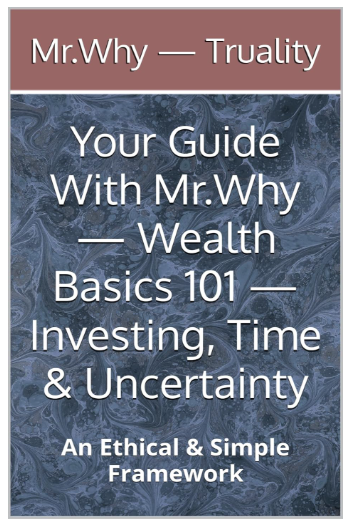
Wealth Basics 101 — Investing, Time & Uncertainty
An ethical, simple framework for understanding long-term wealth
Most investing books focus on picking winners.
This one focuses on understanding how wealth actually grows over time.
Wealth Basics 101 is not about strategies, predictions, or market timing. It’s about building a clear mental model of investing, time, and uncertainty—so decisions are grounded in reality, not hype or fear.
This guide treats investing as a long-term system, not a shortcut.
What Makes This Different
Unlike most investing books, Wealth Basics 101:
Does not offer stock picks or promises
Does not rely on forecasts or trends
Does not frame risk as something to “beat”
Does not push urgency or optimization
Instead, it focuses on:
Understanding time as a core asset
Accepting uncertainty instead of fighting it
Structure before action
Clarity before commitment
The goal is comprehension, not performance.
What This Guide Helps You Do
Understand what investing is (and is not)
See how time compounds outcomes
Make peace with uncertainty and risk
Avoid emotional or reactive decisions
Build a calm, long-term perspective on wealth
No predictions.
No tactics.
No pressure to act.
Just a stable foundation for thinking clearly.
Who This Is For
This guide is for people who:
Feel overwhelmed by investing advice
Want understanding before participation
Prefer long-term thinking over quick wins
Value ethics, transparency, and autonomy
If investing has felt confusing, intimidating, or overcomplicated—this guide was written to slow it down and make it clear.
Available from Amazon/Kindle or directly from Truality.Finance by Mr.Why
Investing Defined: Structural Principles
1) Start Early — Respect Time as a Multiplier
Compounding increases capital through reinvested returns over time.
Consistency and duration — not urgency — drive results.
2) Diversification as Risk Containment
Diversification distributes capital across asset classes to reduce concentration risk.
No single asset should determine overall portfolio stability. Allocation should reflect:
• Risk tolerance
• Investment horizon
• Liquidity needs
Diversification does not prevent loss. It reduces structural vulnerability.
3) Invest Systematically
Regular contributions reduce timing risk and improve behavioral discipline.
Systematic investing increases control. Emotional investing reduces it.
4) Define and Respect Risk Parameters
Risk must be measured before capital is deployed.
Determine:
• Acceptable drawdown levels
• Volatility tolerance
• Income stability
• Time horizon
5) Maintain Long-Term Allocation Discipline
Market volatility is structural, not exceptional.
Reacting to short-term fluctuations often increases loss exposure. A defined investment strategy should include:
• Rebalancing rules
• Allocation thresholds
• Exit criteria
Stability comes from adherence to structure — not market prediction.
Critical Correction
Your original line:
“Every market downturn has eventually recovered.”
That is not universally accurate across all markets, sectors, or timeframes.
A more accurate positioning is:
Broad diversified markets have historically recovered over extended periods — but recovery timing is uncertain.
Precision builds trust.
Practical investing strategies:
Index Funds & ETFs: Low-cost, diversified, long-term growth with less risk than picking stocks.
Dividend Stocks: Earn steady income while your shares grow.
REITs (Real Estate Investment Trusts): Own real estate without being a landlord.
Dollar-Cost Averaging: Invest a set amount monthly—smooths out market ups and downs.
Employer Match: Always max out 401(k) or similar—free money.
Alternative Assets: Small allocation to gold, crypto, or peer-to-peer lending for diversification.
👉 These turn saving into wealth-building over time.
Step-by-Step Plan for Growing Your Wealth
Assess Your Current Financial Position
Review assets, liabilities, income, and expenses to understand your starting point and risk capacity.Set Clear Investment Goals
Define short-term, medium-term, and long-term objectives (retirement, emergency funds, growth capital).Diversify Investments
Spread assets across stocks, bonds, and other instruments to manage risk and increase stability.Prioritize Safety and Liquidity First
Ensure emergency funds and essential reserves are in place before pursuing higher-risk investments.Automate Contributions
Schedule recurring deposits into investment accounts to maintain consistency without relying on motivation.Monitor Performance Regularly
Track portfolio growth, review asset allocation, and adjust as needed to stay aligned with goals.Plan for Long-Term Growth
Reinvest gains, adjust strategies as income or market conditions change, and maintain a balance between growth and protection.


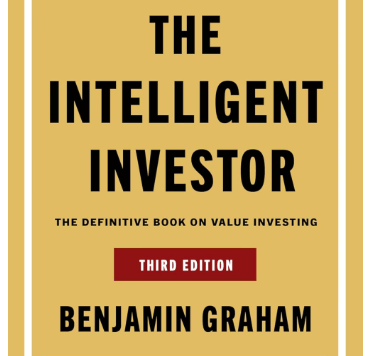
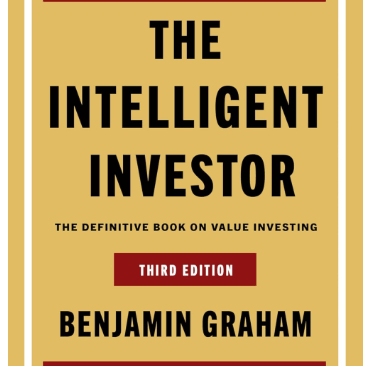
$20.70)- “The Intelligent Investor – Timeless Investing Wisdom! Learn Benjamin Graham’s proven strategies for smart, long-term investing and financial security.”
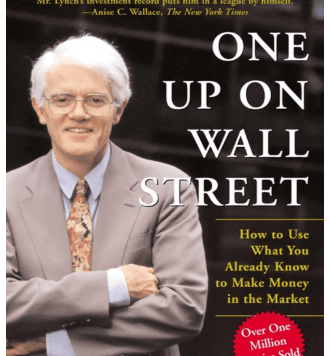
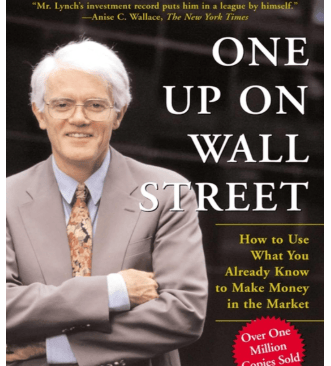
$15.39)- “One Up On Wall Street – Think Like a Pro Investor! Peter Lynch reveals how everyday insights can help you spot winning stocks before Wall Street does.”
$70.73)- Amazon Basics Calculator – A simple, reliable tool for quick investment calculations and budgeting.
$25.90)- Moleskine Professional Notebook – Keep your investment ideas organized and track goals like a pro.
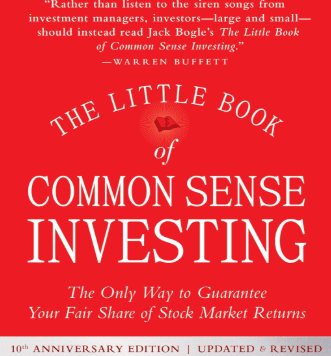
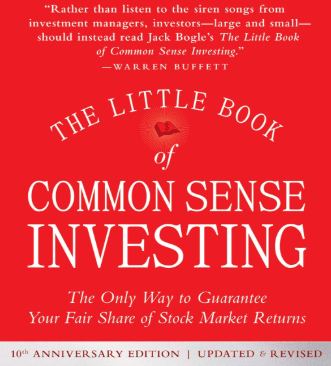
$13.94)- “The Little Book of Common Sense Investing – Simple, Straightforward, and Proven! Learn how index funds can build lasting wealth the easy way.”
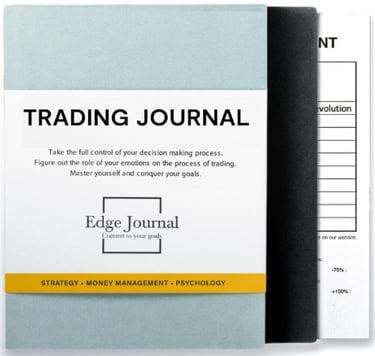
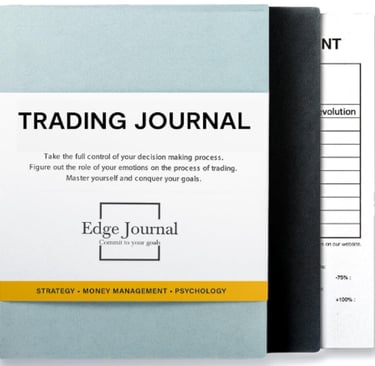
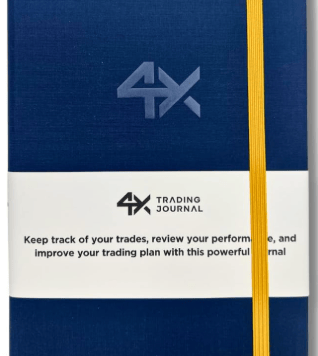
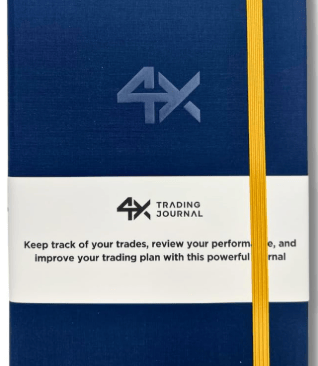
$24.56)- “4X Trading Journal – Master Your Trades with Clarity! Designed for stocks, forex, options, and crypto, this neuroscience-based 12-week planner helps you track 80 trades, refine strategies, and boost performance like a pro.”
“Mr. Why’s Wealthy Wednesday’s: Proven Amazon Tools & Reads to Sharpen Your Investing Game”
Affiliate Disclaimer: "As an Amazon Associate, Mr. Why’s Wealthy Wednesdays earns from qualifying purchases. Your support helps keep our financial lessons free—at no extra cost to you.”

Investing
These strategies form the structural framework for disciplined financial management. Supporting resources are included where appropriate to assist with implementation. Stability is built through consistent execution — not promotional claims.
Investing Defined
Unlike traditional savings, investing introduces market exposure. That exposure must align with:
• Liquidity reserves
• Income stability
• Risk tolerance
• Investment horizon
Investing is not a replacement for savings. It is a strategic extension of financial stability.
Successful investing depends on:
Emotional reactivity increases exposure. Structure reduces it.
Long-Term Capital Allocation
Time amplifies disciplined strategy. It also magnifies misalignment.
Compounding operates mechanically — not emotionally.
Consistent contributions within a defined framework reduce timing risk and behavioral interference.
Stability precedes growth.
Growth follows disciplined allocation.








Stay up to date with real-time stock market trends directly on truality. Our interactive market window provides live prices, charts, and key data for major stocks and indices—all in one place. Whether you’re tracking specific companies or broader market movement, this free tool offers timely, periodically updated information throughout trading days. No sign-ups or downloads—just real market data, when you need it.
“Discover Mr. Why’s stock market widgets — educational tools designed to inform, not persuade or manipulate."
What this widget is
(description)
A high-level snapshot of overall market conditions designed to support long-term understanding and financial awareness.
Context only — not advice, signals, or short-term trading guidance.
Market Breadth — S&P 500
What this widget is
(description)
A slow-updating, structural snapshot describing whether market performance is broadly shared across companies or driven by a smaller group of large firms.
Context only — not advice, signals, or forecasts.
Market Context Snapshot
What this widget is
(description)
A slow-updating, structural snapshot describing how broadly households and capital are participating in the stock market.
It exists to answer:
“Is market participation broadly distributed or more limited?”
Context only — not advice, signals, or forecasts.
Market Participation Environment
Cost of money environment
What this widget is (description)
A slow-updating, U.S.-only snapshot that describes the background cost of borrowing in the economy using policy rates and inflation.
It exists to answer:
“Is money broadly expensive or cheap right now, as a general environment?”
It provides context only, not guidance, signals, or predictions.
"The Truality Cause', the brand that is dedicated to integrity, transparency, and delivering accurate, trustworthy content to empower our users."
© 2025. All rights reserved.
"Dedicated to Helping You Build Your Financial Future". Please, feel free to subscribe to our newsletters, updates, and special offers!
2025> please be informed site was AI assisted ⚠️ Content Integrity Protected
🔒 User-Secured Validation
🔒 AI-Assisted Content Notice > Portions of this website's content have been generated or enhanced using artificial intelligence tools. While efforts are made to ensure accuracy and reliability, AI-generated content may contain errors or inaccuracies. Users are encouraged to verify information and consult professionals for advice. [TRUALITY] is committed to transparency and content integrity. Please report to us any concerns.
© 2026 Mr.Why Consulting - SaaS
"An Expert In Psychology, Law, Finance, SaaS & Digital corrections!"
“My work is descriptive and analytical — focused on understanding patterns, not prescribing universal solutions.”
The Anti-Shark
“I’m here to Make you money, not take it.”
“I’m here to help, not exploit.”
"Remember to Stay Steady, Stay Real, and Stay You!"