Spending 101
“How to Spend Smart, Avoid Waste, and Grow Your Finances Efficiently”
Spending 101
If spending feels unclear, start here.
Understanding where money goes is easier when everything is written down and visible. This helps track recurring expenses, spot leaks, and make intentional adjustments without relying on memory.

Structured Spending Control
Spending determines whether cash flow remains stable or becomes reactive.
Income alone does not create financial strength. Controlled allocation does.
When spending expands with income, stability erodes. Breaking this cycle requires defined limits and disciplined review.
Spending Begins With Measurement
Awareness is not emotional — it is numerical.
• Track fixed obligations
• Categorize variable expenses
• Identify behavioral triggers
• Establish non-negotiable limits
Small structural corrections, consistently applied, restore financial control.
Stability Before Lifestyle Expansion
As income increases, spending pressure increases.
Without defined spending rules, growth turns into consumption.
Control is maintained when expenses expand only after reserves and obligations are secured.
Implementation
Structured tools and spending frameworks are available to support disciplined expense control and behavioral monitoring.
Spending is not restricted for punishment — it is regulated for stability.
“This smart-spending calculator helps you figure out how much you can realistically afford to borrow. Enter your income, expenses, and loan details to see a clear estimate, so you can make confident, responsible spending decisions.”
The Smart Spending Structure — Free Framework Overview
1. What Smart Spending Actually Is
Smart spending is not restriction.
It is alignment.
Spending becomes unstable when it is:
Automatic
Reactive
Undefined
Smart spending means:
You know where money goes
You decide what matters
Your spending reflects priority, not impulse
It is behavioral clarity — not moral discipline.
2. The Core Structural Problem
Most spending systems fail because they lack design.
Default pattern:
Income arrives
Bills are paid
Remaining money is spent automatically
Without structure, spending defaults to:
Convenience
Emotion
Social pressure
The issue is not character.
It is absence of intentional allocation.
3. The Structural Framework
Spending requires simple order.
Three functional categories:
Fixed Essentials
Required, recurring, stability base.
Variable Necessities
Flexible but required; influenceable.
Discretionary / Lifestyle
Intentional enjoyment; planned, not reactive.
This structure:
Reduces friction
Clarifies role
Prevents silent leakage
Complex systems fail.
Clear roles stabilize behavior.
4. Alignment Over Restriction
Spending becomes stable when it supports at least one of:
Stability
Future security
Intentional enjoyment
If spending serves none of these, it deserves review.
Alignment replaces guilt.
Choice replaces reaction.
5. What This Changes (Realistic Outcomes)
Structured spending produces:
Lower decision fatigue
Reduced financial leakage
Clearer tradeoffs
Sustainable enjoyment
It does NOT promise:
Extreme frugality
Wealth guarantees
Permanent optimization
Control before freedom.
Structure before refinement.
Spending 101 — Smart Spending
A calm, ethical framework for taking control of your money
Most books about spending try to control you.
This one is designed to support you.
Spending 101 is not about restriction, guilt, or extreme budgeting. It’s about understanding how your money actually behaves—and giving you simple structure so your spending aligns with your life instead of fighting it.
This book treats spending as a behavioral system, not a moral test.
What Makes This Different
Unlike most personal finance books, Spending 101:
Does not shame or pressure
Does not use fear or urgency
Does not promise unrealistic outcomes
Does not push deprivation as discipline
Instead, it focuses on:
Awareness before action
Structure before optimization
Choice before change
You remain in control at every step.
What This Book Helps You Do
See where your money is actually going
Organize spending without complexity
Identify leaks without guilt
Align spending with what matters to you
Build a system that works in real life
No hacks.
No manipulation.
No constant tracking.
Just clarity and intention.
Who This Is For
This book is for people who:
Want control without rigidity
Want progress without pressure
Want systems that last
Value ethics, transparency, and autonomy
If you’ve ever felt overwhelmed, judged, or burned out by financial advice—this book was written for you.
This book is part of the 101 Series, a structured financial foundation:
• Cash Flow 101 — Pay Yourself First
Build savings by capturing income intentionally from the start.• Spending 101 — Smart Spending
Direct money consciously so it supports your life instead of leaking away.• Wealth Basics 101 — Investing, Time & Uncertainty
Understand the core building blocks of long-term financial growth.
• Taxes 101 —
Learn how taxes actually work so you can plan clearly and avoid surprises.
• Future Proofing 101 —
Prepare for long-term needs like retirement with calm, realistic planning.
• Stability 101 —
Create financial resilience through emergency funds and safeguards.
Capture → Direct → Build → Protect → Prepare → Stabilize
Each book stands on its own. Together, they form a complete, ethical financial foundation.
The Core Principle
Money should support your life — not control it.
This book exists to help make that true.
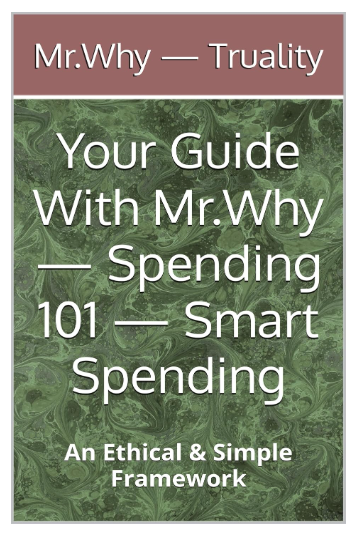
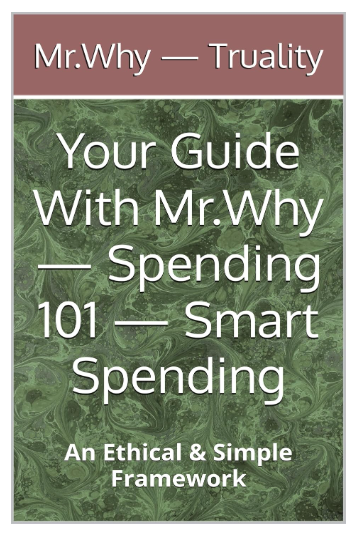
Available from Amazon/Kindle or directly from Truality.Finance by Mr.Why
Smart Spending Rules (Stability Framework)
1) Prioritize Core Obligations and Future Allocation
Spending begins with hierarchy.
Fund essentials first:
• Shelter
• Food
• Utilities
• Insurance
Then allocate to reserves and long-term investment before discretionary spending occurs.
Future allocation is not optional. It is structural.
2) Audit Recurring Expenses
Track every transaction monthly.
Review:
• Subscription services
• Insurance premiums
• Membership fees
• Automatic renewals
Unmonitored automation erodes stability.
3) Establish Defined Spending Limits
A budget is not restrictive — it is protective.
Controlled spending prevents lifestyle inflation.
Sacrifice is not punishment. It is prioritization.
4) Control Credit Exposure
Use credit strategically — not casually.
If credit usage increases spending behavior or introduces high-interest risk, default to debit or cash-based controls.
Every purchase should align with available liquidity — not future income assumptions.
Spending should reflect present capacity.
5) Optimize Purchase Timing and Pricing
Price comparison and discount awareness reduce unnecessary outflows.
Actively compare retailers. Evaluate unit pricing. Avoid convenience-driven overspending.
Savings comes from structure, not luck.
What We Removed
• “Financial peace and freedom”
• Personal supermarket stories
• “I’ve always received good outcomes”
• Motivational tone
• Emotional persuasion
• Absolutes like “you can never lose”
That language reduces authority.
Now I’m going to correct something important:
“Cash is king” is not universally true.
Strategic credit use builds credit history and improves financing access.
The correct positioning is:
Credit is leverage — when controlled.
Credit is liability — when unmanaged.
Precision matters.
Real strategies for smart spending (beyond just budgeting):
Cash-Back & Rewards Cards: Use credit cards that give 2–5% back—only if you pay in full monthly.
Automated Bill Negotiation: Services (like Trim or Truebill) lower bills for cable, phone, insurance.
Buy in Bulk Smartly: Staples (toilet paper, rice, cleaning supplies) save long-term, but avoid perishables.
Use Price Trackers: Apps like Honey or CamelCamelCamel find lowest prices online.
Subscription Check: Cancel unused memberships; rotate services instead of keeping all at once.
Energy Efficiency: LED bulbs, smart thermostats, sealing drafts—cuts utility bills every month.
👉 This keeps money in your pocket without lowering quality of life.
Step-by-Step Plan for Smart Spending
Track Every Dollar
Record all income and expenses to understand where money goes and identify leaks or inefficiencies.Categorize Spending
Separate essentials, discretionary expenses, and non-essential costs. This creates visibility and control over cash flow.Set Spending Limits
Assign monthly limits for each category based on priorities and financial goals. Adjust as needed for stability and growth.Prioritize High-Impact Expenses
Focus on spending that protects stability or increases long-term value, like debt repayment, emergency funds, or essential needs.Cut Wasteful Expenses
Identify recurring non-essential costs and reduce or eliminate them. Redirect savings toward goals or reserves.Automate Where Possible
Automate bills and savings contributions to maintain discipline and reduce friction in financial management.Review and Adjust Monthly
Evaluate spending patterns each month. Adjust limits, reprioritize expenses, and ensure your spending aligns with financial objectives.
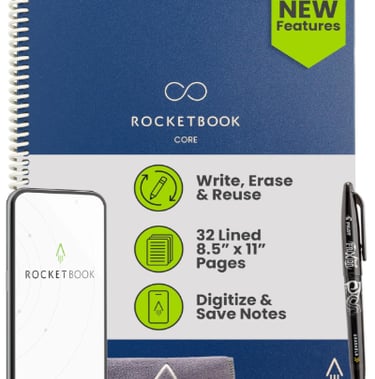
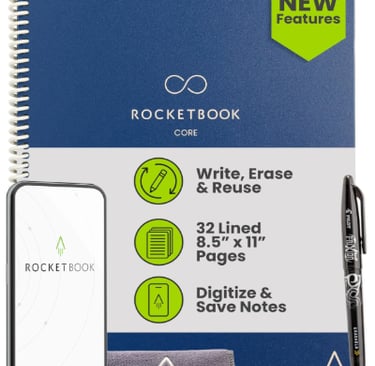
$38.99- “Rocketbook New Core – The Smart Notebook for the Digital-Age Investor! Lined pages, app-connected cloud uploads, erasable and reusable—track your investment ideas, budget goals and trades all in one sleek notebook.”
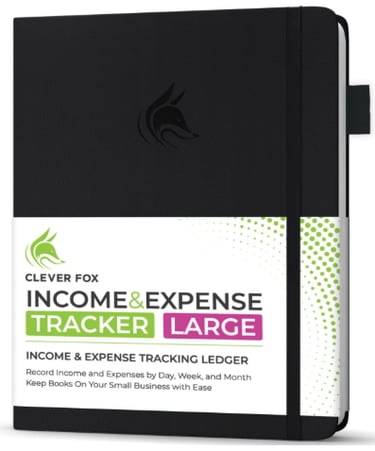
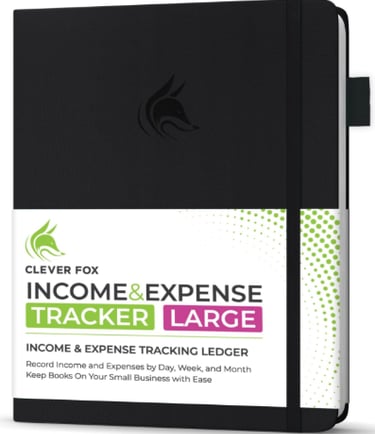
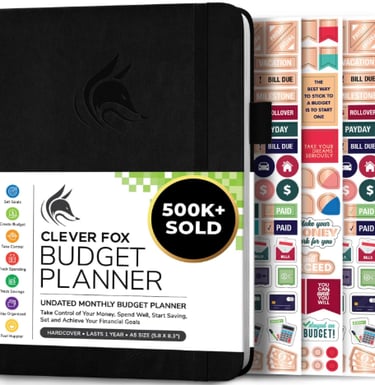
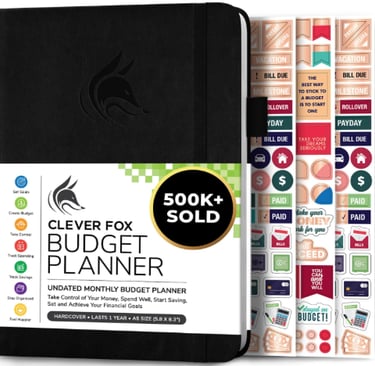
$19.99)- “Clever Fox Budget Planner – Your Go-To Tool for Smart Spending! Track expenses, plan monthly budgets, and stay organized with this sleek A5 finance logbook—helping you take control of every dollar.”
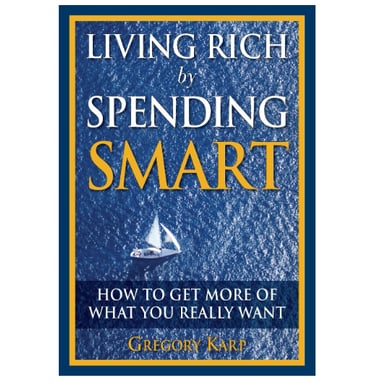
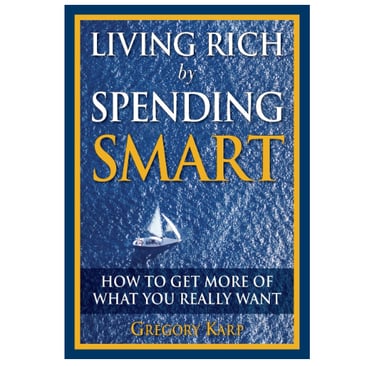
$15.82)- Living Rich by Spending Smart — a practical guide that shows you how to enjoy more of what really matters by making smarter, intentional money choices. A helpful read for anyone wanting a richer, more balanced life without overspending.
$9.29)- “Smart Spending – A Teen’s Guide to Money Mastery! Grab this straightforward handbook to understand cash, credit, and smart purchases—so you spend with purpose, not impulse.”
$10.99)- “Smart Spending – Learn to Make Every Dollar Count! Nancy Dickmann’s clear, practical guide helps you understand money choices, compare value, and build smart spending habits that last.”
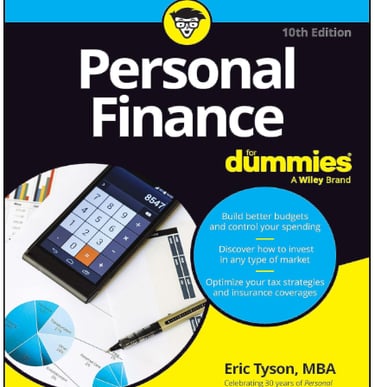
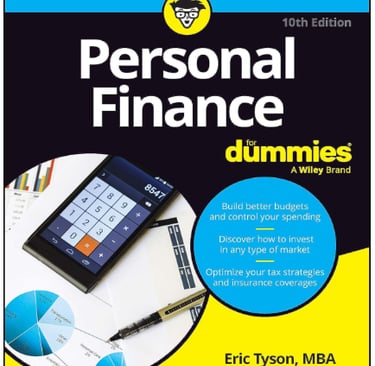
$24.33)- “Personal Finance For Dummies – Your Easy Guide to Smart Money Management! Learn how to budget, save, and make confident financial choices with simple, practical steps anyone can follow.”
“Mr. Why’s Thrifty Tuesday’s: Smart Amazon Finds for Spending Wisely and Getting More for Less”
Affiliate Disclaimer: “As an Amazon Associate, Mr. Why’s Thrifty Tuesday's Smart Spending may earn from qualifying purchases. Your support helps keep our financial lessons free—at no extra cost to you.”
$189.00)- Doxie Go SE — a simple, portable document scanner with a rechargeable battery and easy-to-use software. Great for home, office, or work-from-home setups, it lets you scan paperwork anywhere without the hassle.
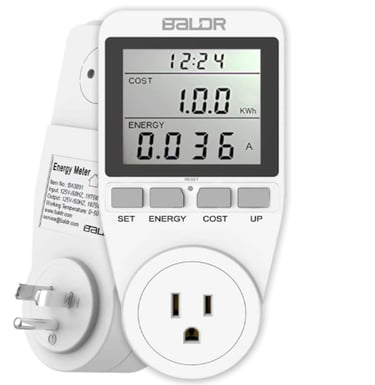
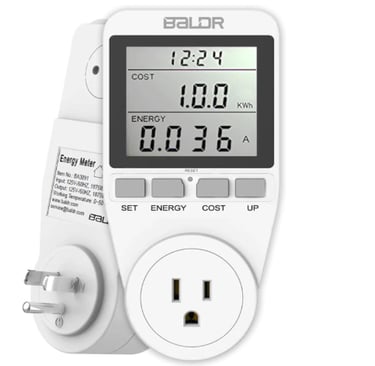
$19.95)- BALDR U.S. Electricity Usage Monitor — a simple plug-in watt meter that helps you track appliance energy use easily. The clear display shows watts, cost, and usage so you can spot what’s wasting power and save money without any hassle.
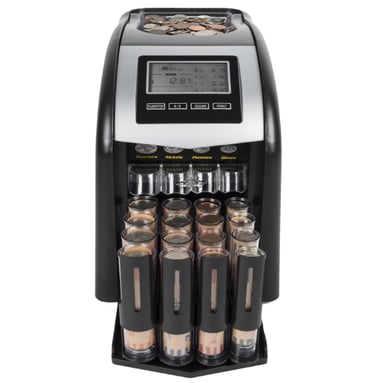
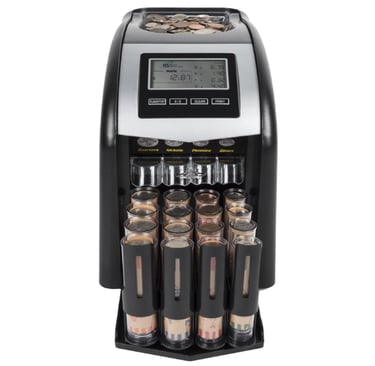
$194.99)- Royal Sovereign 4-Row Electric Coin Counter/Sorter — features smooth, anti-jam operation and a clear digital display. Quickly sorts and counts your coins into four rows, making organization fast and stress-free. (Black)
$11.99)- Large Piggy Bank for Boys & Adults — a fun digital coin-counting jar with an easy-to-read LCD screen and a roomy 1.8L capacity. Designed for all U.S. coins, it’s a simple, encouraging way to build savings little by little. (Blue)
$29.99)- Jumbo Digital Coin Counter Bank — a roomy, easy-to-use savings jar that counts pennies, nickels, dimes, quarters, half-dollars, and dollar coins. The clear jar and simple LCD display make tracking your savings effortless.
$4.79)- Lamare A6 Budget Binder Inserts – Stay on top of your weekly spending with these easy-to-use budget and expense tracker sheets. Perfect for cash stuffing, money tracking, and staying organized on your financial goals.






“Mr. Why’s Thrifty Tuesday’s: Smart Amazon Finds for Spending Wisely and Getting More for Less”
Affiliate Disclaimer: “As an Amazon Associate, Mr. Why’s Thrifty Tuesday's Smart Spending may earn from qualifying purchases. Your support helps keep our financial lessons free—at no extra cost to you.”

Spending
Structured Spending Control
Smart spending is disciplined allocation aligned with defined financial priorities.
Without defined limits, income growth turns into expense growth.
Spending control begins with measurement.
Eliminating financial drift restores control.


These strategies form the structural foundation of controlled cash flow management. Supporting resources are provided where appropriate to assist with disciplined implementation. Stability is built through consistent execution — not promotional claims.
"The Truality Cause', the brand that is dedicated to integrity, transparency, and delivering accurate, trustworthy content to empower our users."
© 2025. All rights reserved.
"Dedicated to Helping You Build Your Financial Future". Please, feel free to subscribe to our newsletters, updates, and special offers!
2025> please be informed site was AI assisted ⚠️ Content Integrity Protected
🔒 User-Secured Validation
🔒 AI-Assisted Content Notice > Portions of this website's content have been generated or enhanced using artificial intelligence tools. While efforts are made to ensure accuracy and reliability, AI-generated content may contain errors or inaccuracies. Users are encouraged to verify information and consult professionals for advice. [TRUALITY] is committed to transparency and content integrity. Please report to us any concerns.
© 2026 Mr.Why Consulting - SaaS
"An Expert In Psychology, Law, Finance, SaaS & Digital corrections!"
“My work is descriptive and analytical — focused on understanding patterns, not prescribing universal solutions.”
The Anti-Shark
“I’m here to Make you money, not take it.”
“I’m here to help, not exploit.”
"Remember to Stay Steady, Stay Real, and Stay You!"