Why We Make Financial Mistakes


Financial Mistakes
“Know what really moves your money—many of us make financial slip-ups, and that’s human. What matters is spotting them early and correcting the pattern before it repeats. When you become aware of your decisions—why you spend, where you invest—you can build stable cash flow and long-term financial control instead of cycling through short-term fixes.”
Common Mistakes




Investing
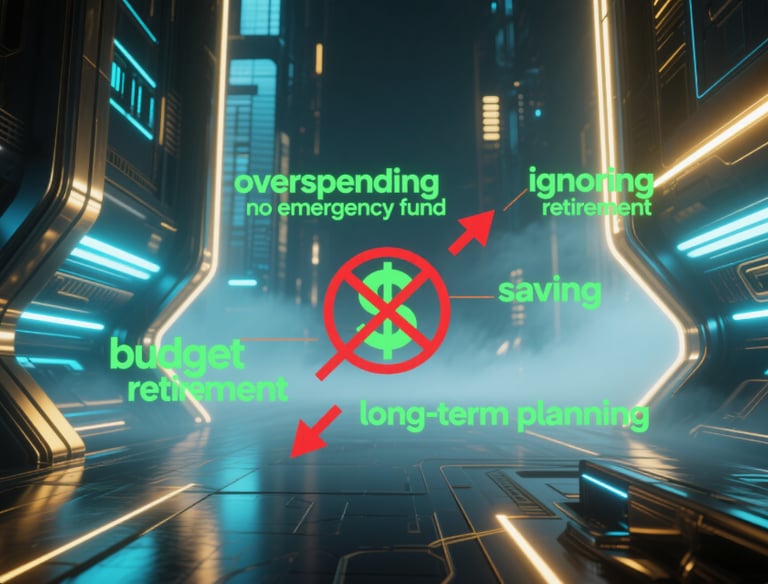
“Investing without financial stability turns growth into risk.”
“Before chasing returns, your cash flow must be predictable and protected.”
“Inflation and compounding matter—but they only work when your foundation is secure.”
“Truality prioritizes structure first, so investing becomes strategic—not reactive.”
🔍 Overcoming Debt
Why Debt Must Be Addressed First
Overcome student loans and credit debt effectively.
Common Financial Mistakes
What are common financial mistakes?
Why do these mistakes matter?
How can I avoid them?
What tools can help me?
How to start budgeting?
“Start by assessing your income and expenses to build a sustainable cash flow structure. Clarity over every dollar reduces guesswork and prevents reactive decisions.”
“Financial stability begins with visibility and discipline.”
“Truality provides the structured system to organize, track, and stabilize your finances — so growth is built on control, not chaos.”
What about investment strategies?
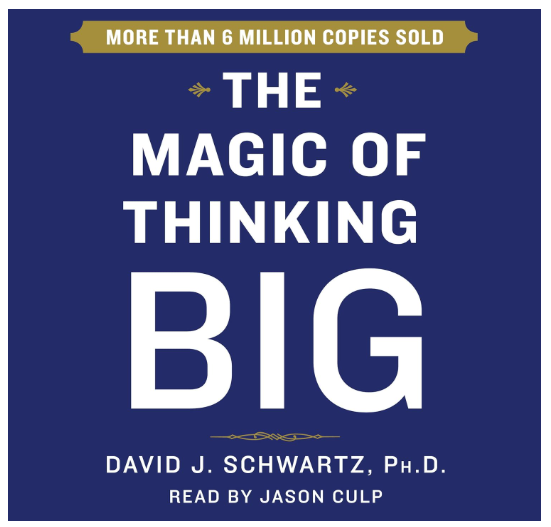
$00.99)- When Mr. Why read The Magic of Thinking Big, it was so inspiring that he still applies its mindset to this very day—reminding himself daily of his goals, staying focused, and proving that big thinking truly shapes big results.
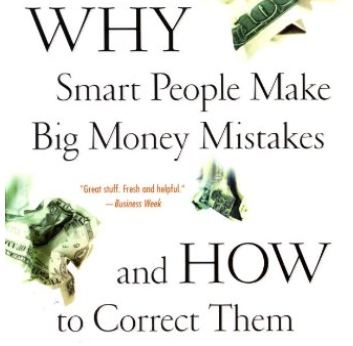


Money Mistakes — and How to Correct Them
Understand why intelligent people mismanage money, identify structural blind spots, and apply practical corrections that protect long-term stability.
$9.02)- Why Smart People Make Big Money Mistakes and How to Correct Them: Find out why even smart folks screw up with money—and how to stop doing it.
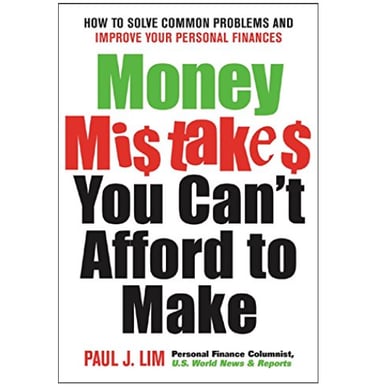
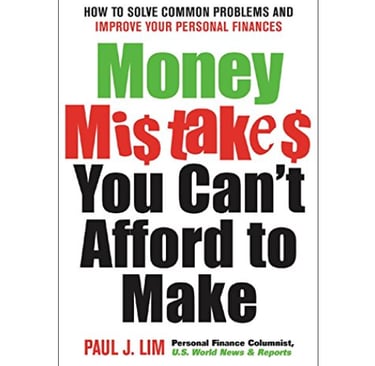
$19.80)- Money Mistakes You Can’t Afford to Make: No fluff—just the mistakes you need to dodge so you don’t lose money you should’ve kept.
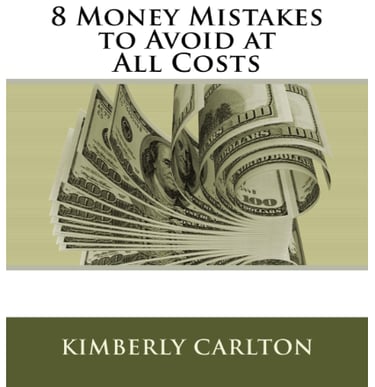
$11.99)- 8 Money Mistakes to Avoid at All Costs: Simple, beginner-friendly guide to avoid common financial holes.
$12.95)- 10 Worst Money Mistakes: And How to Fix Them NOW: Fast, clear list of big money-errors and how to flip them into wins.
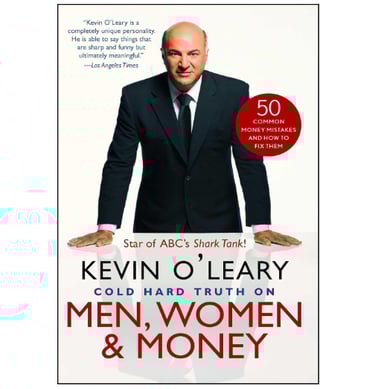
$9.63)- Cold Hard Truth On Men, Women, and Money: 50 Common Money Mistakes and How to Fix Them: Straight-talk advice through life’s money traps at every age.
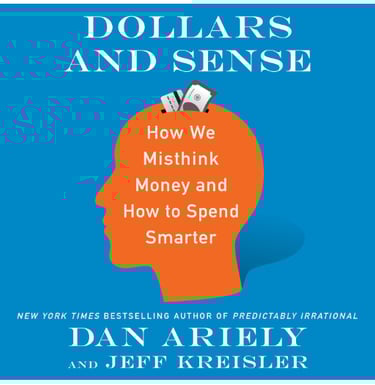
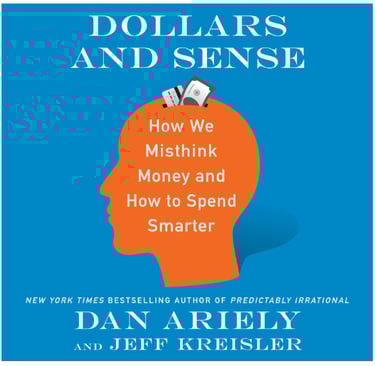
$10.69)- Dollars and Sense: How We Misthink Money and How to Spend Smarter: A fun look at how our brains sabotage our money—and what to do about it.
Affiliate Disclaimer: “As an Amazon Associate, Mr. Why may earn from qualifying purchases. Your support helps keep our financial lessons free—at no extra cost to you.”





📰 Mr. Why’s Truality Blogs: Explore deeper insights behind every topic—finance, Law, mindset, tech, and truth. Each post expands on Mr.Why's videos with detailed analysis, real-world strategies, and timeless lessons. 👉 Read the full story on Google Blogger, Substack, and Medium.
"Full Content Blogging Locations"

Contact Us
Get in touch to enhance your financial planning.
"The Truality Cause', the brand that is dedicated to integrity, transparency, and delivering accurate, trustworthy content to empower our users."
© 2025. All rights reserved.
"Dedicated to Helping You Build Your Financial Future". Please, feel free to subscribe to our newsletters, updates, and special offers!
2025> please be informed site was AI assisted ⚠️ Content Integrity Protected
🔒 User-Secured Validation
🔒 AI-Assisted Content Notice > Portions of this website's content have been generated or enhanced using artificial intelligence tools. While efforts are made to ensure accuracy and reliability, AI-generated content may contain errors or inaccuracies. Users are encouraged to verify information and consult professionals for advice. [TRUALITY] is committed to transparency and content integrity. Please report to us any concerns.
© 2026 Mr.Why Consulting - SaaS
"An Expert In Psychology, Law, Finance, SaaS & Digital corrections!"
“My work is descriptive and analytical — focused on understanding patterns, not prescribing universal solutions.”
The Anti-Shark
“I’m here to Make you money, not take it.”
“I’m here to help, not exploit.”
"Remember to Stay Steady, Stay Real, and Stay You!"